
We help teams ship Salesforce changes with confidence, by testing what actually breaks: releases, integrations, automations, emails, and permissions. From Sales Cloud to complex integrations, our Salesforce testing services team design Salesforce-aware testing strategies that reduce release risk, not just increase test cases.
 Release-Safe Salesforce Deployments
 High Impact Automation
 Integration & Data Integrity Focused
 Salesforce-Aware, Not Generic QA


At OrangeMantra, we help businesses ensure Salesforce works reliably in real-world conditions through focused, risk-driven Salesforce testing services. Our approach validates customizations, integrations, automations, and user workflows to prevent production issues and support stable growth.
We work closely with teams running complex crm development initiatives, Salesforce data migration services, or other crucial platforms, ensuring that data integrity, business logic, and integrations remain intact before and after major changes. Backed by years of Salesforce platform experience, our testing strategies reduce rework, protect critical business processes, and improve release confidence.

100+
Salesforce Releases Validated

2–3×
Faster Regression Cycles

40%
Lower Automation Effort

30–50%
QA Cost Optimization Over Time











Salesforce testing isn’t about running more test cases; it’s about reducing risk in an ever-changing platform. Our Salesforce testing services are designed to protect a specific risk area, from logic and integrations to releases, automation, and user adoption.
Manual and automated testing serve different purposes in Salesforce. We use each where it saves time, reduces risk, and delivers the most value.
Our manual Salesforce testing helps teams catch edge cases, configuration gaps, and system-breaking issues early, reducing costly rework, preventing production incidents, and avoiding last-minute release delays.
Our Salesforce automation is designed to protect critical business workflows, speeding up regression cycles, lowering ongoing maintenance effort, and providing reliable test results teams can trust release after release.
By combining manual insight with targeted automation testing, we help teams surface real risks early, avoid false confidence from brittle tests, and deploy Salesforce changes with fewer surprises and less wasted effort.
Salesforce QA testing isn’t about running checklists or chasing low-value automation for the sake of it. Our Salesforce-aware approach focuses on testing what truly matters, helping teams reduce rework, avoid costly production issues, and ship changes faster with confidence.

We design testing strategies around how Salesforce actually behaves, dynamic UI, metadata-driven logic, seasonal releases, and deep integrations. This reduces false failures, shortens investigation time, and ensures teams spend effort fixing real issues instead of chasing noise.

Rather than maximizing coverage, we focus on the areas with real business impact, custom logic, integrations, automations, permissions, and releases. This helps teams prevent high-cost failures while avoiding unnecessary testing effort and delays.

We apply automation where it delivers clear value, focusing on critical Salesforce journeys instead of fragile, UI-heavy test suites. The result is faster regression cycles, lower maintenance costs, and automation teams can trust release after release.

We don’t flood teams with low-quality defects or Salesforce-expected behavior flagged as bugs. Every issue is validated with platform context, clear impact, and reproducible steps, so developers and admins can fix problems faster.

Salesforce updates introduce frequent, subtle changes. Our release-aware testing approach catches issues early, reducing last-minute firefighting, unplanned hotfixes, and deployment delays that consume valuable team resources.

By modernizing legacy test suites and designing maintainable frameworks, we help teams move faster over time, cutting ongoing maintenance effort and preventing testing debt from slowing future releases.
Worried Which Salesforce Testing Strategy is Right for You?
Choosing between manual, automated, or hybrid Salesforce testing isn’t always obvious. Our experts help you identify the right testing strategy based on your Salesforce complexity, release cadence, and risk exposure.
Most Salesforce QA providers fall short because they test Salesforce like a standard web application. They rely heavily on UI automation, overlook the impact of platform releases, and follow generic sprint testing models that don’t align with how Salesforce actually behaves.

Many Salesforce QA providers offer generic services like regression, UAT, or automation without tying them to Salesforce-specific failure points. This creates coverage on paper, but leaves real business risks untouched.

Generic UI automation strategies have a high maintenance cost, and results in teams losing trust in test results. That’s why most Salesforce automation testing is flaky because Lightning UI is dynamic, metadata-driven, and frequently updated.

Most Salesforce QA providers solely rely on UI automation, which makes tests slow, brittle, and expensive to maintain. The result is long testing cycles and fragile tests that break with every release.

Most QA Salesforce testing service providers fail to take seasonal Salesforce release cycle into consideration. Each update often introduces subtle changes to objects, flows, validations, and UI behavior, which brings new issues.

Failure often occurs in integrations with ERPs, marketing platforms, middleware, or legacy systems, not within Salesforce itself. Most Salesforce deployment suffers from silent data corruption, broken downstream processes, and delayed incident detection.

Missed approvals, incorrect access, login issues, and business disruptions discovered by users instead of tests. Approval emails, workflow notifications, permission sets, and role-based access are often tested manually or inconsistently.
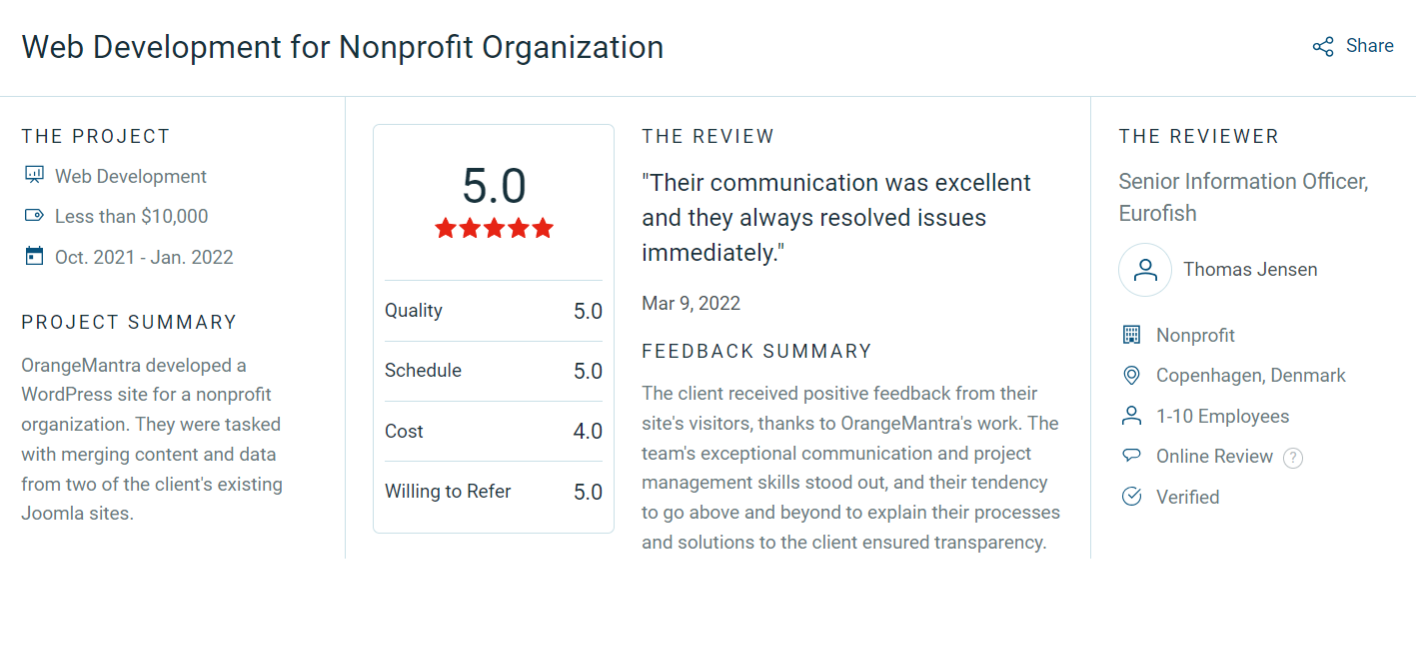
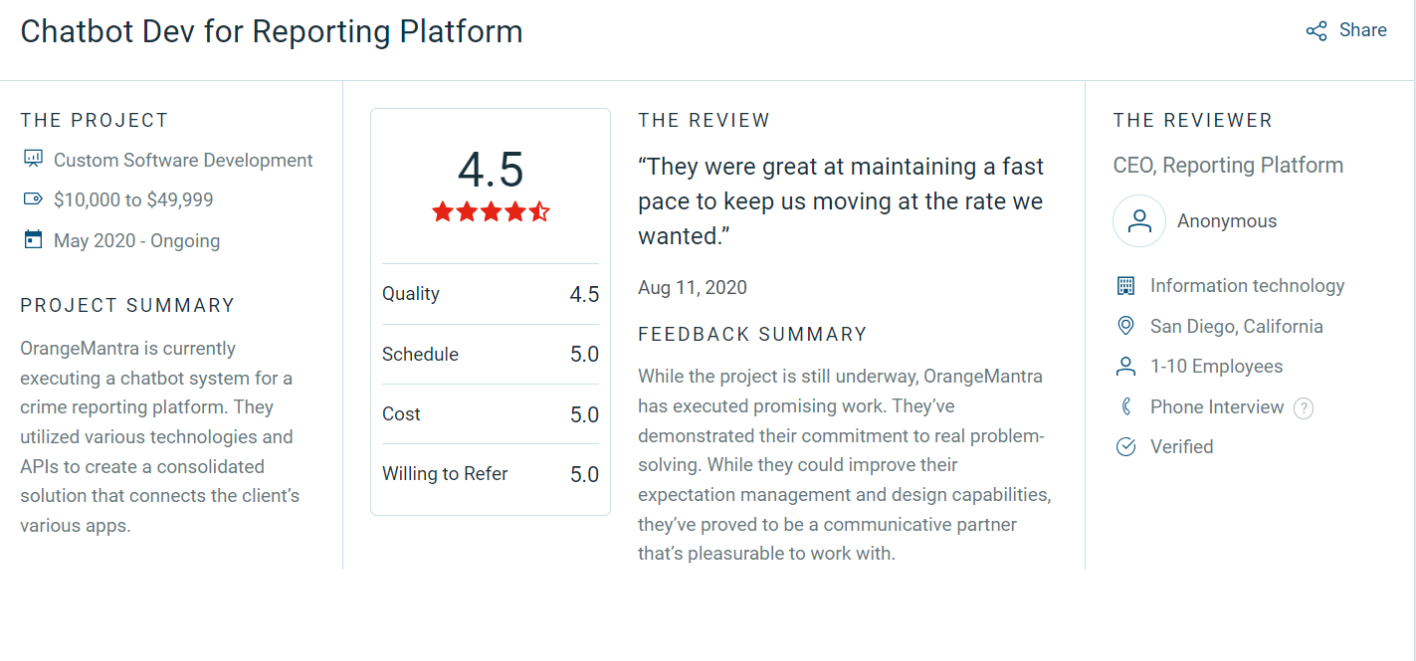
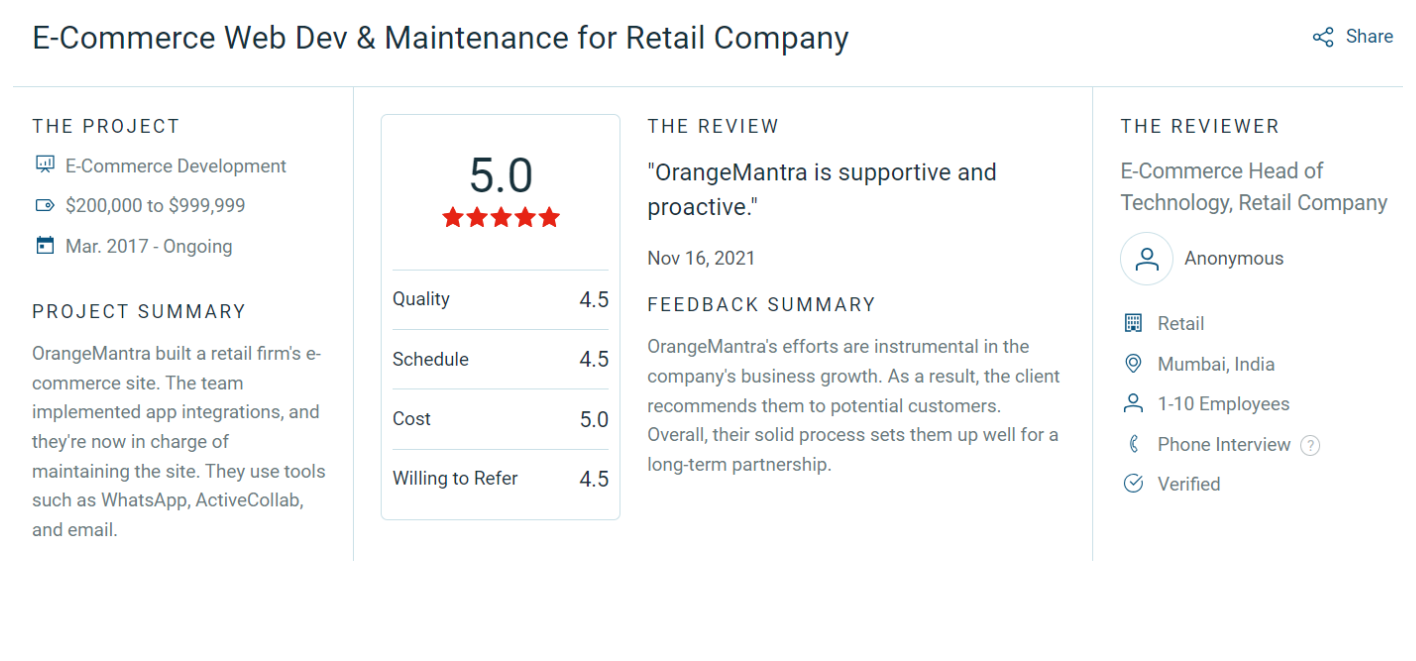
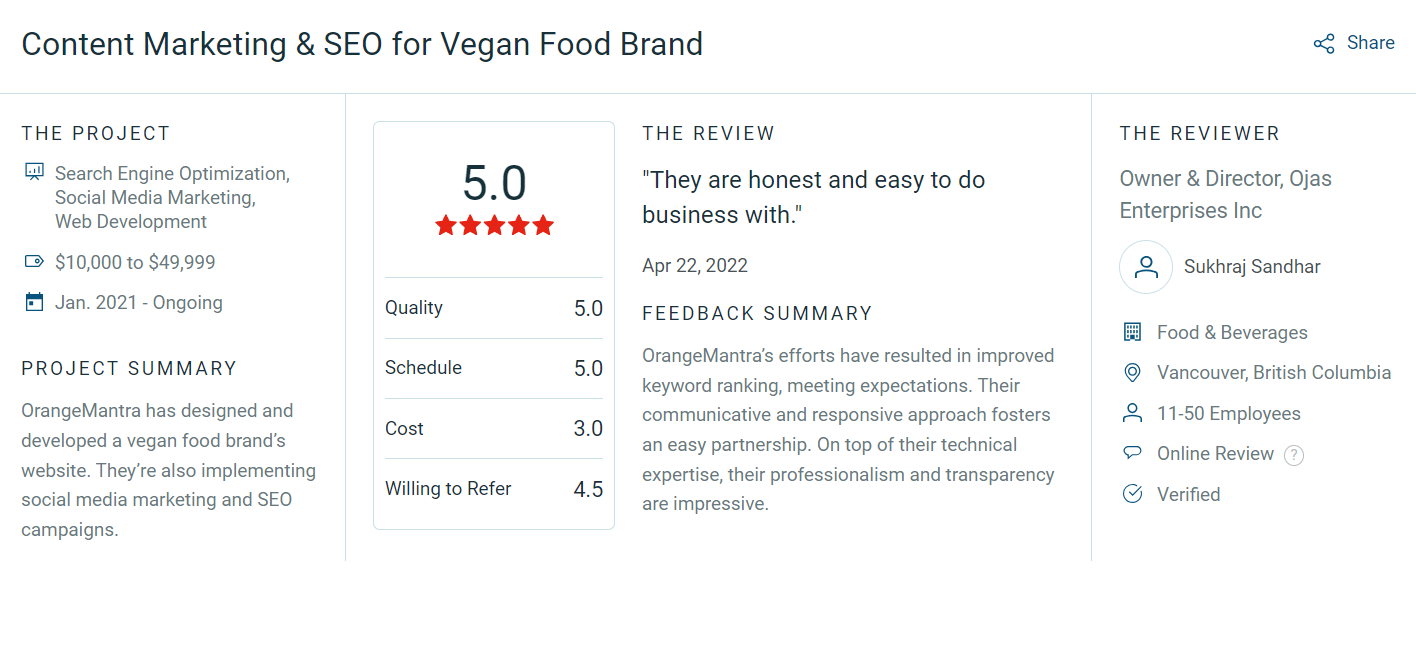
Don’t take our word for it. Here are our successful Salesforce test automation services stories from our clients.
A leading B2B technology company struggled with frequent Salesforce issues after feature rollouts, impacting sales productivity and reporting accuracy. As part of our Salesforce testing services, we validated Salesforce Lightning workflows, role-based access, and sales automation before deployment. The result was a stable, sales-centric Salesforce environment that reduced post-release issues and helped the client improve deal closure rates by 30%.

A fast-growing enterprise relied heavily on Salesforce Marketing Cloud for customer journeys, email automation, and campaign analytics, but inconsistent testing led to broken journeys and missed communications. As a trusted Salesforce testing company, we tested data extensions, triggered journeys, integrations, and personalization logic across environments. This ensured campaign accuracy, improved deliverability, and restored confidence in large-scale marketing launches.

An organization running a heavily customized Salesforce CRM faced repeated production issues due to inadequate validation of integrations, permissions, and automation. As an experienced Salesforce QA provider, we implemented risk-based testing across business flows, integrations, and release cycles. The client achieved fewer production incidents, faster release cycles, and a measurable reduction in QA rework.

As a leading Salesforce testing services company, we present you with our low code to complex automation testing tools.
 Salesforce Apex Test Classes
Salesforce DX (SFDX)
Salesforce Metadata API
Salesforce Tooling API
Salesforce Inspector
Salesforce Workbench
Salesforce Apex Test Classes
Salesforce DX (SFDX)
Salesforce Metadata API
Salesforce Tooling API
Salesforce Inspector
Salesforce Workbench
 Playwright
 Selenium WebDriver
 Postman
 Newman
 REST APIs
 SOAP APIs
 k6
k6
 Apache JMeter
Salesforce Governor Limits Monitoring (via Debug Logs & Event Monitoring)
Apache JMeter
Salesforce Governor Limits Monitoring (via Debug Logs & Event Monitoring)
 Jenkins
 Azure DevOps Pipelines
 GitHub
 GitLab CI/CD
 Jira
Azure DevOps Test Plans
Jira
Azure DevOps Test Plans
 TestRail
 Mailosaur
 Mailtrap
Salesforce Email Services
Salesforce MFA & Login Flow Validation
Mailtrap
Salesforce Email Services
Salesforce MFA & Login Flow Validation
Keep Your Salesforce Running Smoothly, While You Focus on Growth
Our experts help you define a Salesforce testing service strategy that reduces risk, avoids rework, and supports reliable releases.
Our Quality Assurance and Salesforce CRM testing services support businesses across industries and Salesforce cloud environments. No matter your domain, we help ensure your Salesforce implementation runs reliably, scales smoothly, and delivers consistent business value.









We offer flexible engagement options aligned with your business needs for Salesforce test automation services. Choose an engagement model that matches your delivery pace, budget structure, and internal team setup, without sacrificing quality, visibility, or control.
Best for small enhancements, urgent fixes, audits, or trying our Salesforce expertise before a long-term commitment.
Ideal for sprint-based development, feature rollouts, or focused Salesforce initiatives with clear timelines.
Well suited for long-term Salesforce development services, continuous enhancements, and predictable delivery at scale.
Our QA testing process is designed to reduce release risk, improve confidence, and ensure your Salesforce environment performs reliably across changes, integrations, and updates. We test Salesforce the way it’s actually used in real-world business environments.
We begin by understanding your Salesforce org, business goals, and release cadence. This includes identifying custom logic, integrations, automations, and high-risk areas that require focused validation.
Based on identified risks, we define the right mix of manual and automated testing. We decide what should be validated via UI, API, Apex, or exploratory testing to avoid over-testing and wasted effort.
We design test cases around real business flows, user roles, and data scenarios. Controlled test data is prepared to validate edge cases, permissions, integrations, and automation behavior.
Our QA team executes targeted manual testing alongside selective automation for critical paths, integrations, and regressions. API, integration, and performance checks are included where applicable.
All issues are logged with clear context, reproducible steps, and impact analysis. We work closely with development and admin teams to distinguish real defects from configuration or expected platform behavior.
Before deployment, we perform focused regression testing and release validation—accounting for Salesforce seasonal updates, configuration changes, and downstream impacts.
We provide release readiness insights, highlighting tested areas, known risks, and recommendations. Stakeholders get a clear go/no-go view before production deployment.
Post-release, we refine test coverage, retire outdated test cases, and optimize automation to ensure QA effort scales efficiently as your Salesforce org evolves.
At OrangeMantra, our focus is delivering the best Salesforce development services, and we are committed to providing custom solutions to meet our clients’ business goals.

In QA, Salesforce refers to testing the platform’s business logic, data flows, integrations, permissions, and user journeys to prevent production issues and release failures.


